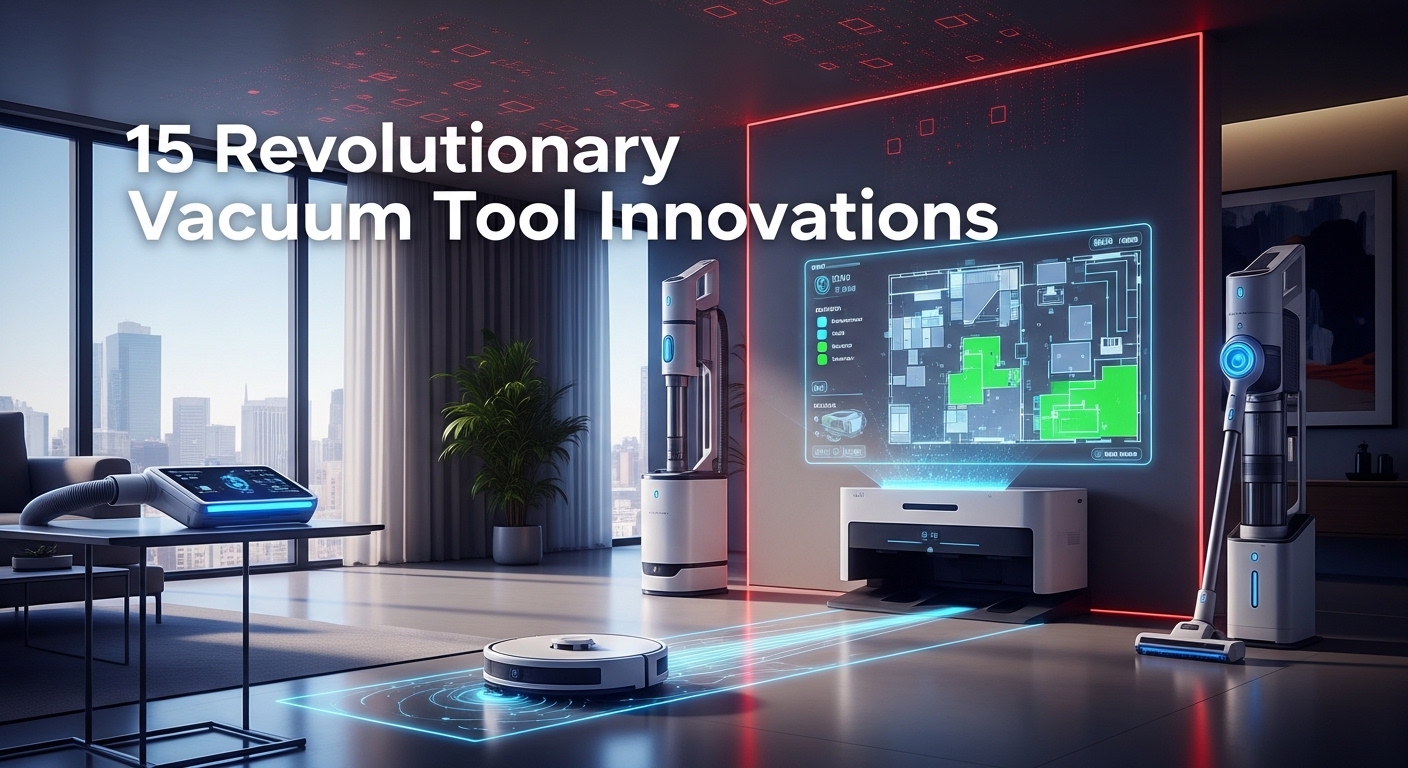
Cleaning technology has evolved dramatically over the past decade. What was once a simple household appliance has now transformed into an intelligent, automated cleaning system powered by artificial intelligence, smart sensors, and robotics.
Today’s modern vacuum cleaners are no longer limited to basic suction and manual operation. Instead, they use AI-driven navigation, automated maintenance systems, and smart home integration to create an effortless cleaning experience.
As smart homes become more common, consumers are demanding appliances that save time, reduce effort, and maintain higher standards of cleanliness. This demand has driven a wave of innovation in the cleaning technology industry.
From robotic automation to eco-friendly engineering, manufacturers are introducing powerful tools that are redefining how homes are cleaned.
Below are 15 revolutionary vacuum tool innovations that are shaping the future of cleaning technology.
1. AI-Powered Smart Navigation
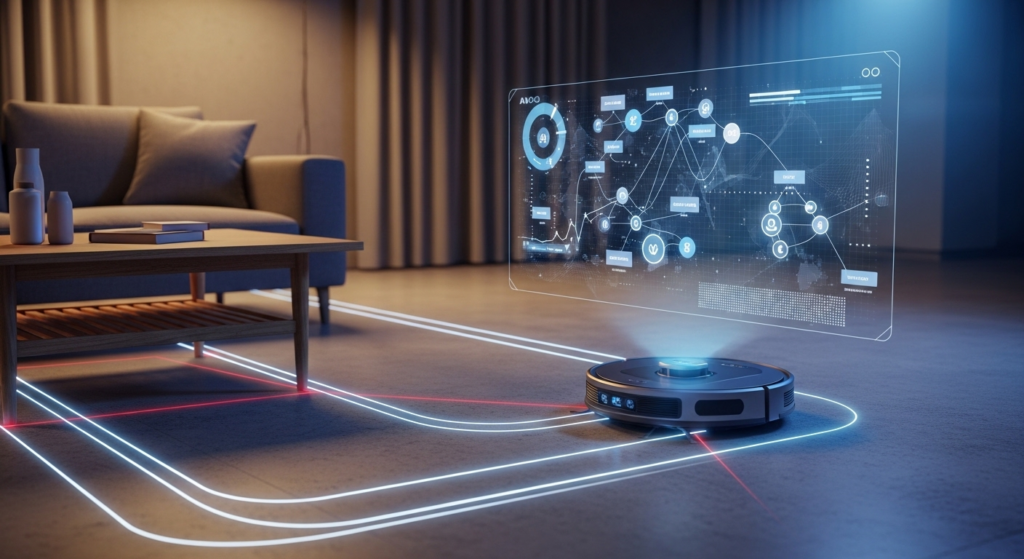
Artificial intelligence has revolutionized how vacuum cleaners move through homes.
Instead of randomly bumping into furniture, modern vacuums use AI algorithms to analyze room layouts and create efficient cleaning paths.
Key benefits include:
- Intelligent obstacle avoidance
- Faster cleaning cycles
- Improved coverage of large spaces
AI navigation allows vacuums to adapt to different environments and learn the layout of a home over time, making them smarter with every cleaning session.
2. LiDAR Mapping and Laser Navigation
LiDAR technology is one of the most significant breakthroughs in robotic vacuum design.
Using laser sensors, vacuums scan rooms and create accurate digital maps of a home. These maps allow devices to plan the most efficient cleaning routes.
Advantages include:
- Precise navigation in dark rooms
- Detailed multi-room mapping
- Better obstacle detection
This technology ensures that no area is missed during the cleaning process.
3. Self-Emptying Dustbin Technology
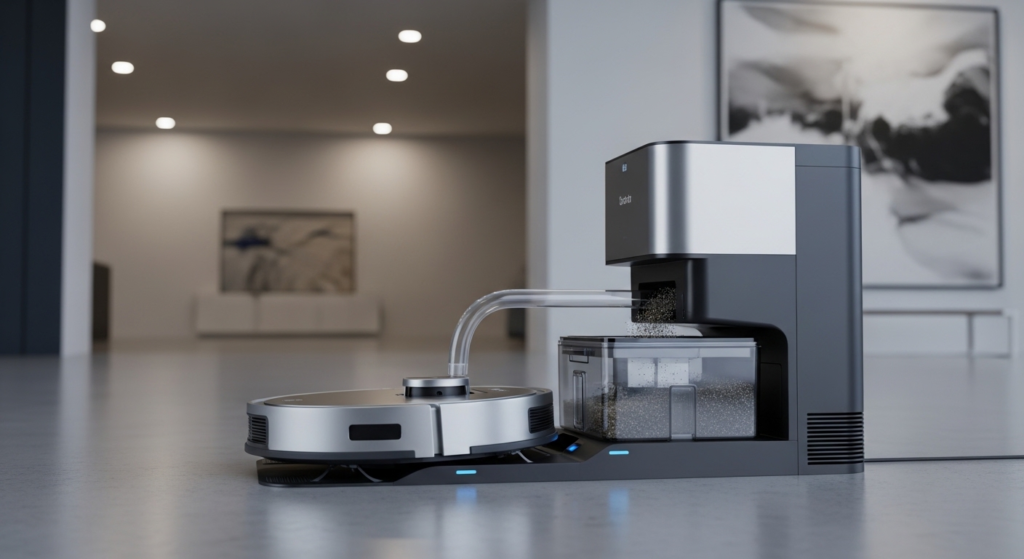
One of the biggest inconveniences of traditional vacuums is frequent dustbin emptying. Self-emptying systems eliminate this issue.
Modern robotic vacuums now dock into stations that automatically transfer debris from the vacuum into a sealed bag or container.
Key benefits:
- Hands-free operation for weeks
- Reduced contact with dust and allergens
- Increased convenience for busy households
This innovation allows homeowners to enjoy truly automated cleaning.
4. Self-Cleaning Mop and Hybrid Vacuum Systems
Hybrid cleaning machines combine vacuuming and mopping into a single device.
Advanced models include self-cleaning mop systems that:
- Wash the mop automatically
- Dry the mop to prevent odors
- Refill water tanks during docking
These systems allow one device to vacuum, mop, and maintain itself, dramatically improving cleaning efficiency.
5. Ultra-High Suction Power Motors
Modern vacuum cleaners are equipped with digital brushless motors capable of generating extremely powerful suction.
These motors deliver:
- Better deep-carpet cleaning
- Improved pet hair removal
- Higher airflow efficiency
Despite increased power, many new motors are designed to be quieter and more energy efficient, improving both performance and user comfort.
6. Smart Home Integration
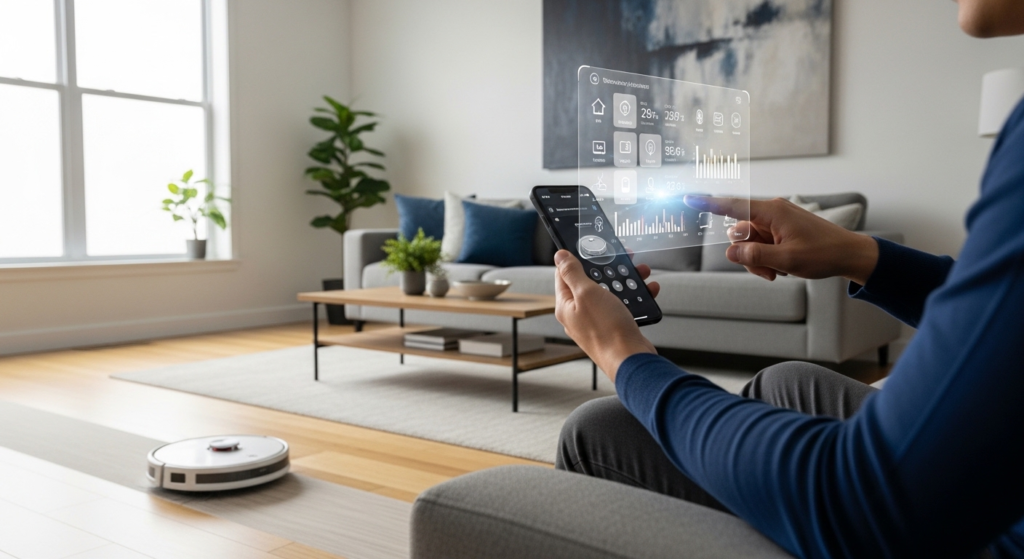
Smart vacuum cleaners are now part of the connected home ecosystem.
Users can control them through:
- Smartphone apps
- Voice assistants
- Automated schedules
With voice commands, homeowners can simply say phrases like:
- “Start cleaning the living room.”
- “Return to the charging station.”
- “Clean under the dining table.”
This integration makes vacuum cleaners fully compatible with modern smart homes.
7. Edge-Cleaning Robotic Arms
Traditional vacuums often struggle to clean corners and edges.
To solve this issue, manufacturers have introduced extendable robotic arms and spinning edge brushes.
These tools allow vacuums to:
- Reach tight corners
- Clean along walls
- Remove debris from hard-to-reach spaces
Edge-cleaning technology ensures complete floor coverage throughout the home.
8. Advanced HEPA and Multi-Layer Filtration
Air quality has become a major concern in many households.
Modern vacuum cleaners now include multi-stage filtration systems, including HEPA filters designed to capture microscopic particles.
These filtration systems can trap:
- Dust mites
- Pollen
- Pet dander
- Fine airborne particles
For allergy sufferers, this innovation significantly improves indoor air quality while cleaning floors.
9. AI Dirt Detection Technology
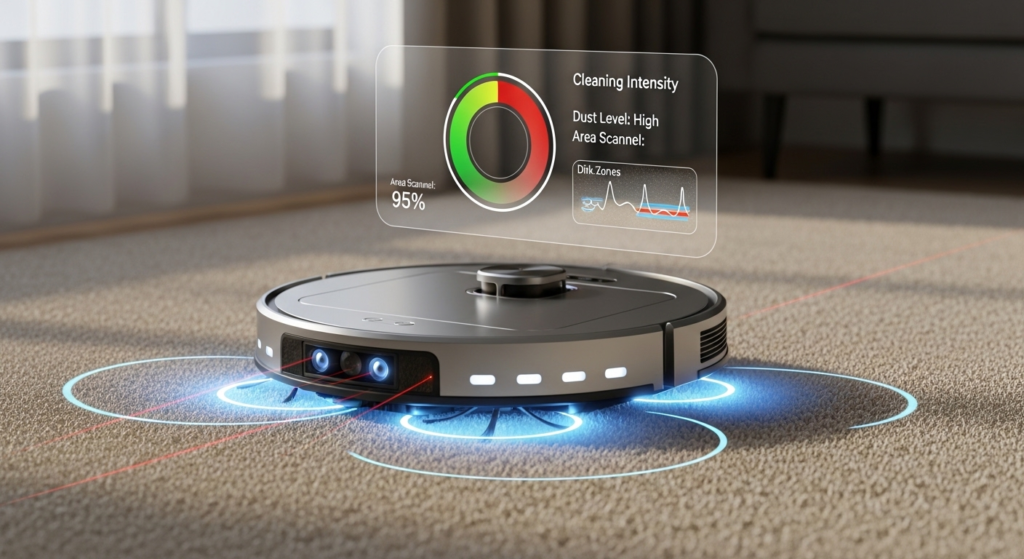
Some advanced vacuums can now detect areas that require extra cleaning.
Using smart sensors, these devices identify zones with heavier dirt accumulation and automatically increase suction or cleaning time.
Benefits include:
- Targeted deep cleaning
- Reduced energy usage
- Improved cleaning efficiency
AI dirt detection ensures that high-traffic areas receive extra attention.
10. Self-Maintenance Docking Stations
Docking stations have evolved into full maintenance hubs.
Instead of simply charging the vacuum, these stations now:
- Empty the dustbin
- Wash and dry mop pads
- Refill water tanks
- Clean internal components
This innovation dramatically reduces the amount of manual maintenance required by users.
11. Anti-Tangle Brush Technology
Pet hair and long hair often cause vacuum brushes to tangle.
New anti-tangle brush systems are designed to prevent this problem.
Features include:
- Spiral brush designs
- Self-detangling rollers
- Hair-resistant materials
These improvements make vacuums much easier to maintain, especially in homes with pets.
12. Eco-Friendly Vacuum Design
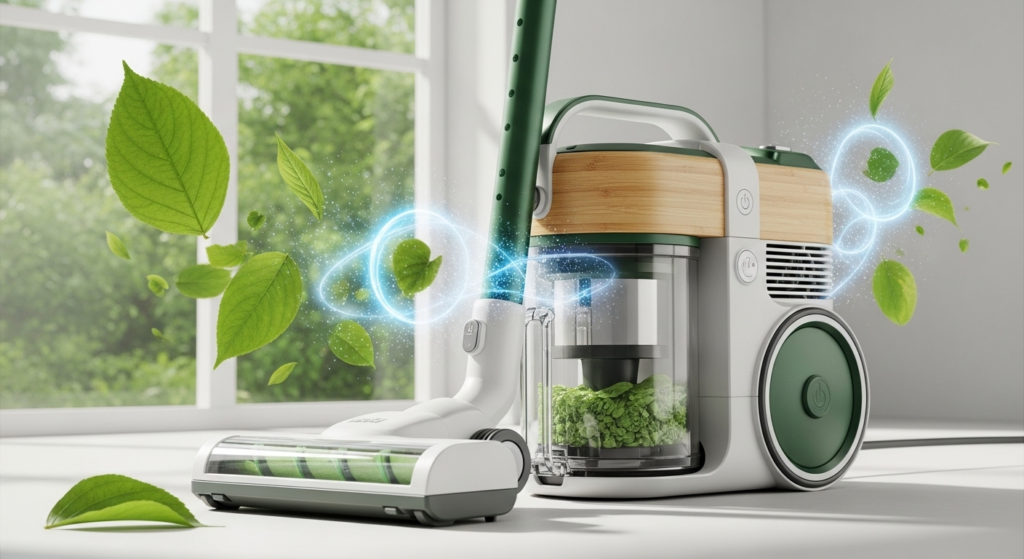
Sustainability is becoming a major focus in appliance manufacturing.
New vacuum models are being designed with:
- Energy-efficient motors
- Recyclable materials
- Longer-lasting components
Eco-friendly innovations help reduce environmental impact while maintaining high cleaning performance.
13. Ultra-Slim and Compact Designs
Modern robotic vacuums are becoming thinner and more compact.
Slim designs allow them to clean areas that were previously difficult to reach, including:
- Under beds
- Beneath sofas
- Under cabinets
Compact engineering improves cleaning coverage while maintaining powerful performance.
14. Multi-Surface Intelligent Sensors
Different floor types require different cleaning strategies.
Advanced sensors now allow vacuums to automatically detect floor surfaces such as:
- Hardwood
- Tile
- Carpet
- Rugs
Once detected, the vacuum adjusts suction power and brush speed accordingly.
This ensures optimal cleaning performance across multiple floor types without manual adjustment.
15. Fully Autonomous Cleaning Ecosystems
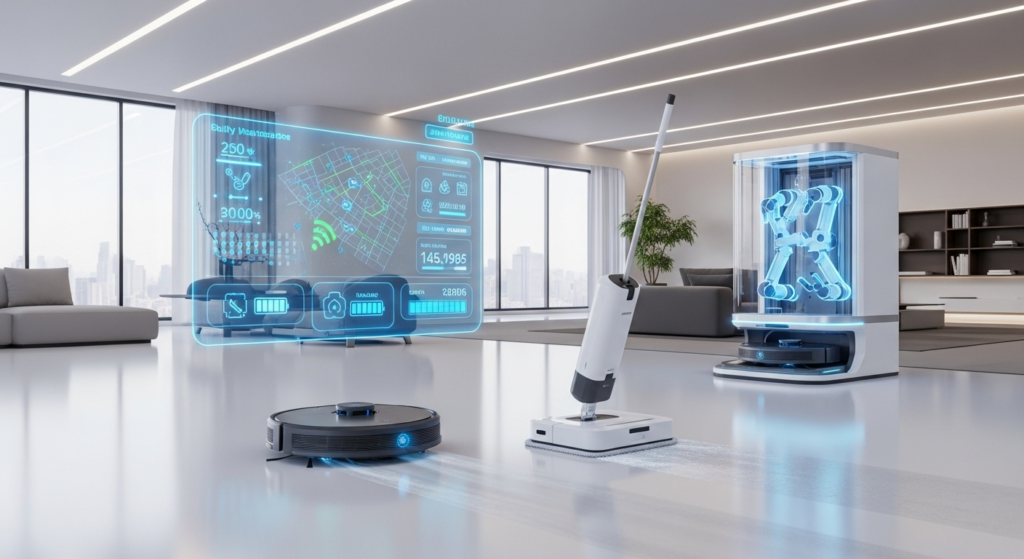
The ultimate goal of cleaning technology is complete autonomy.
Future vacuum systems are evolving into fully automated cleaning ecosystems that require almost no human involvement.
These systems will:
- Learn household cleaning habits
- Schedule cleaning automatically
- Maintain themselves through advanced docking stations
Over time, vacuum cleaners will become intelligent household assistants rather than simple appliances.
The Future of Vacuum Technology
The cleaning industry is moving rapidly toward smarter, more automated solutions.
Emerging trends include:
- AI learning systems that adapt to user behavior
- Fully autonomous robotic cleaning stations
- Deeper integration with smart home ecosystems
- Improved energy efficiency and sustainability
As technology continues to evolve, vacuum cleaners will become faster, smarter, and more capable of maintaining homes without human intervention.
Conclusion
Vacuum cleaners have come a long way from the bulky machines of the past. Today’s models are intelligent, connected, and capable of performing complex cleaning tasks with minimal effort.
From AI-powered navigation and LiDAR mapping to self-cleaning docking stations and eco-friendly engineering, these innovations are transforming the cleaning experience.
As smart home technology continues to grow, vacuum cleaners will become even more advanced, offering fully automated, efficient, and intelligent home maintenance solutions.
The future of cleaning is no longer manual it is smart, autonomous, and innovative.
FAQs
What is the newest technology in vacuum cleaners?
The newest vacuum technologies include AI navigation, LiDAR mapping, self-emptying dustbins, and automated maintenance docking stations.
Are robot vacuums better than traditional vacuums?
Robot vacuums provide convenience and automation, making them ideal for daily maintenance cleaning, while traditional vacuums are still useful for deep cleaning tasks.
How do smart vacuums map your home?
Smart vacuums use LiDAR sensors, cameras, and AI algorithms to create digital maps of rooms and plan efficient cleaning routes.
What features should you look for in a modern vacuum cleaner?
Important features include strong suction power, HEPA filtration, smart navigation, self-emptying systems, and smart home integration.
Will vacuum cleaners become fully autonomous in the future?
Yes. Many modern systems already perform automated cleaning and maintenance, and future models are expected to operate almost entirely without human intervention.